PacWIMA Workshop Boosts Maritime Gender Equality
Adopt A Ship International Presented at the PacWIMA Regional Workshop
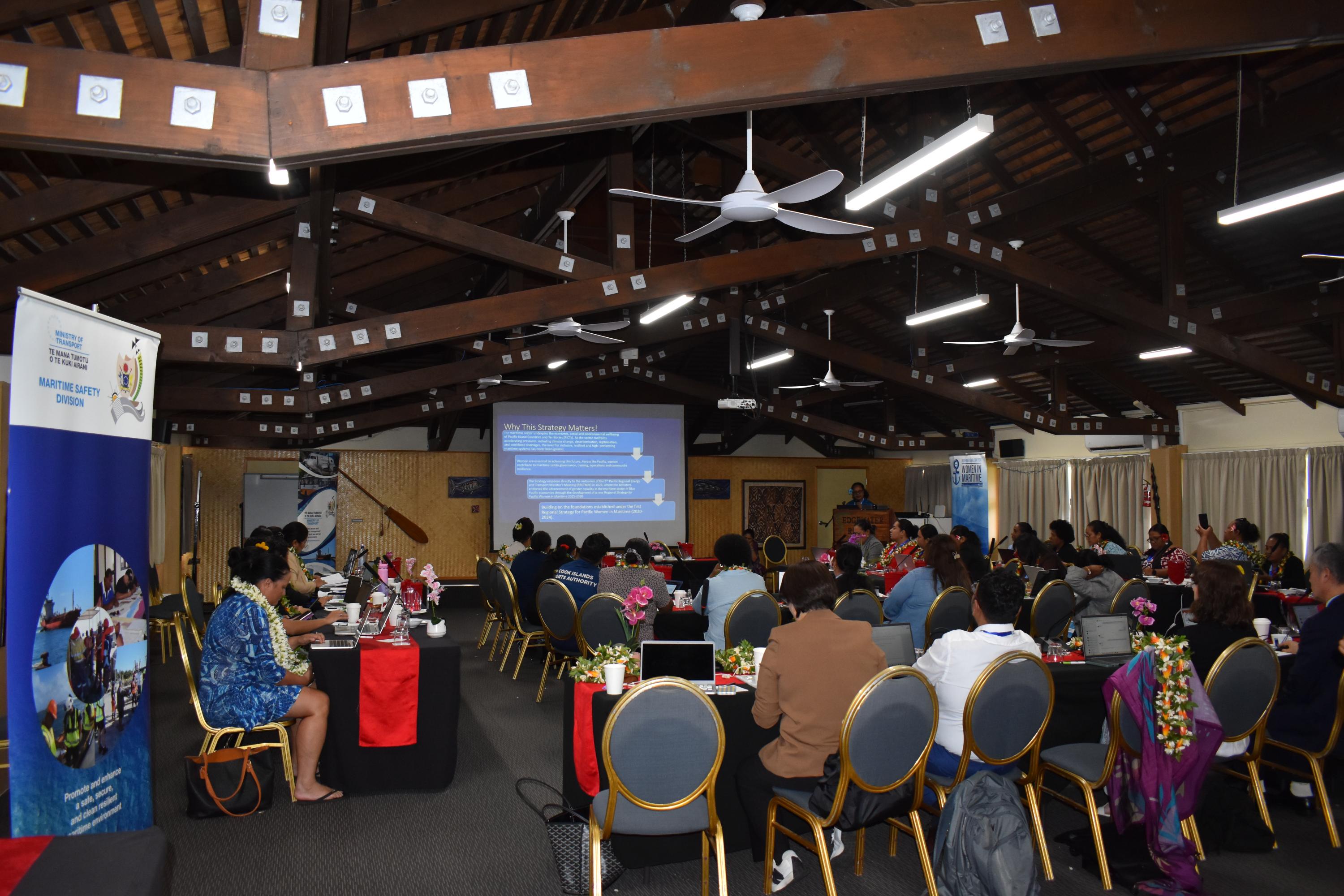
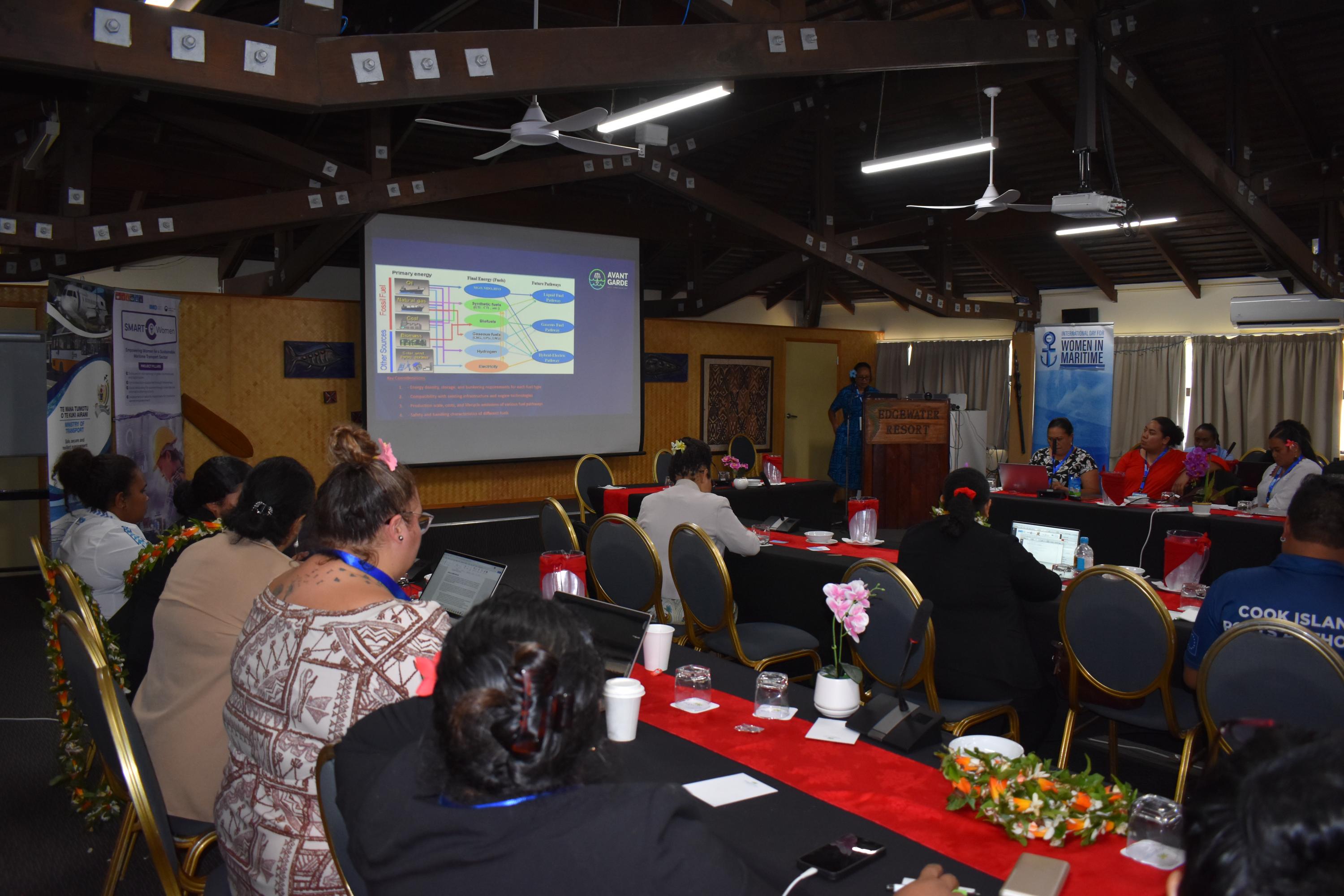
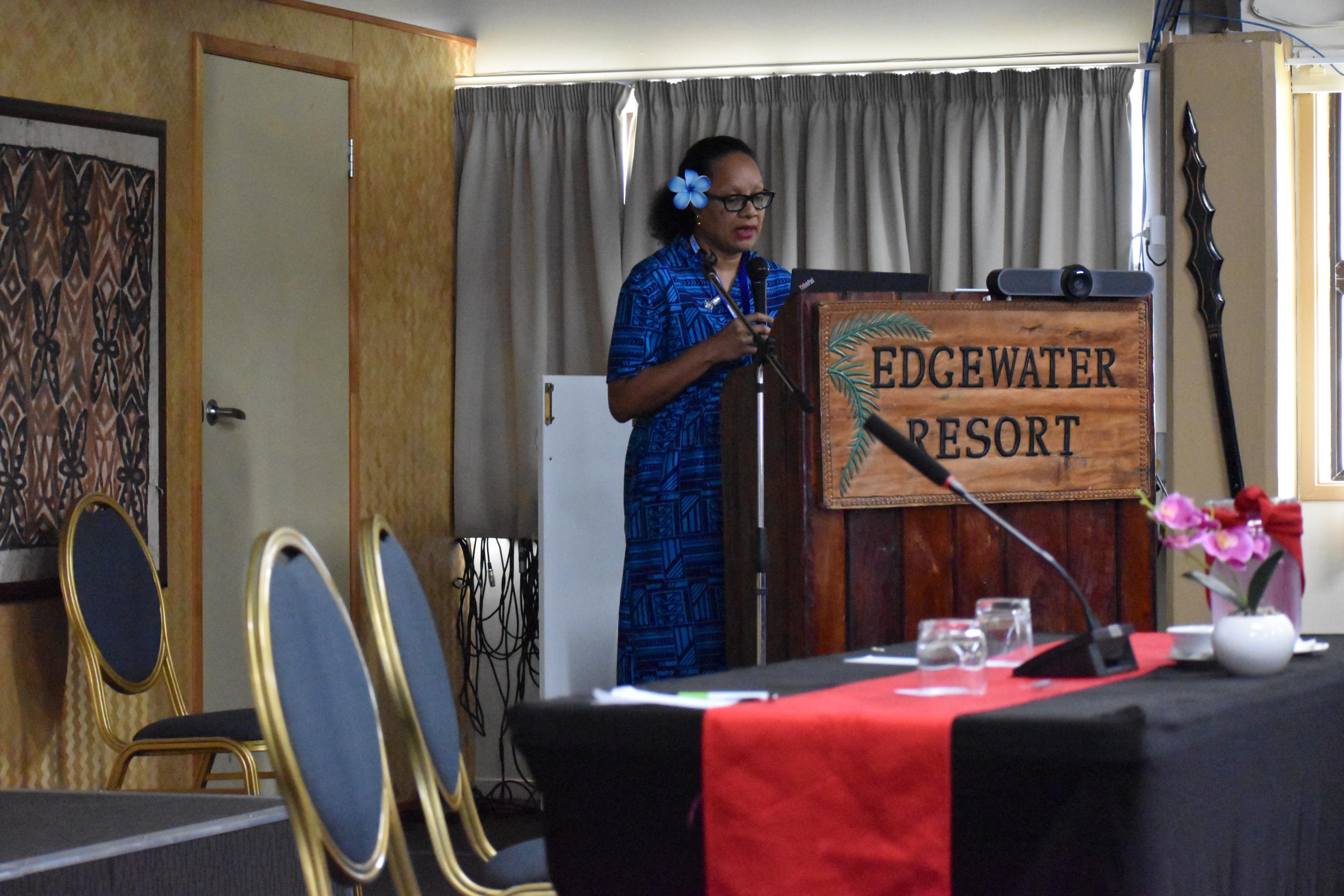
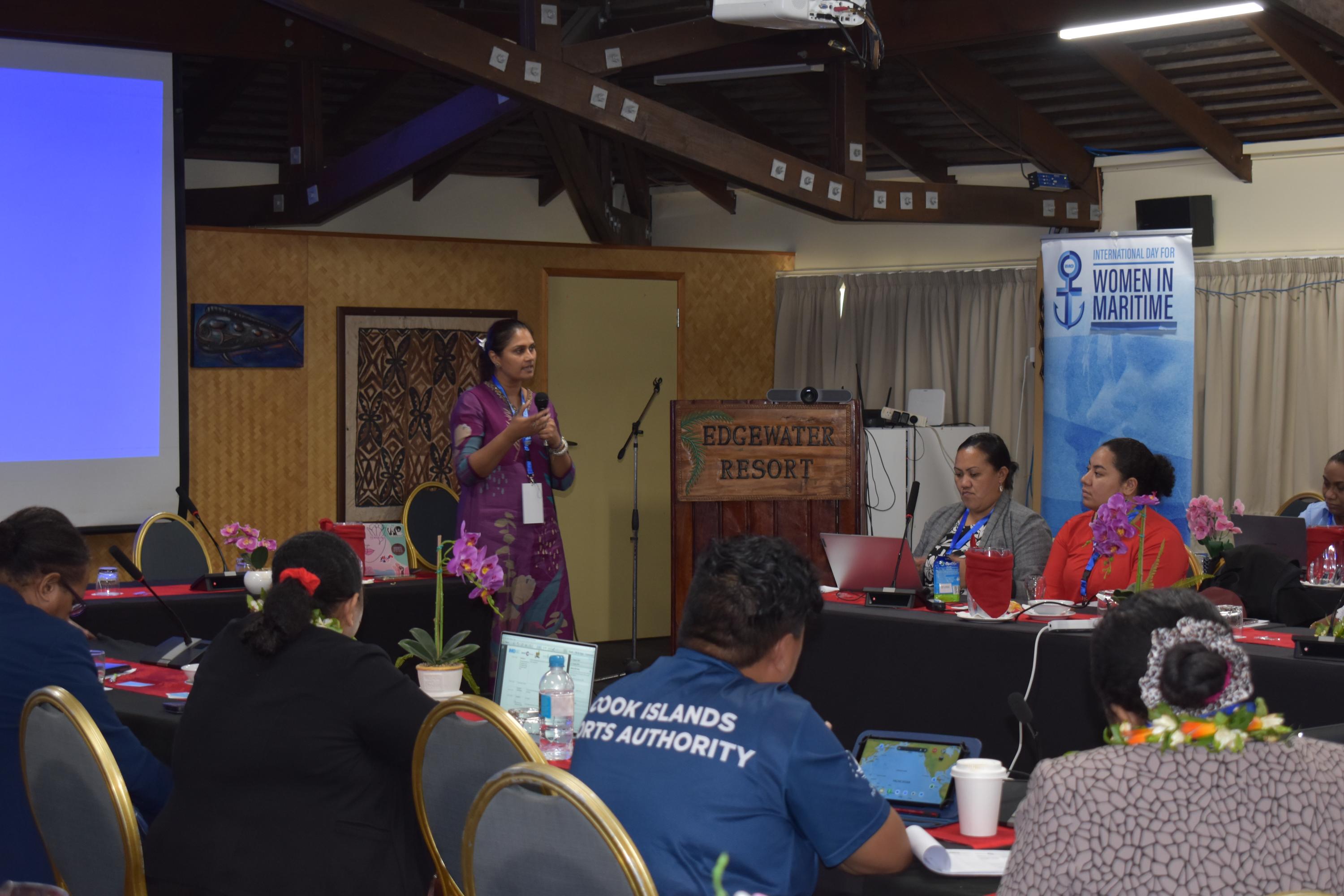
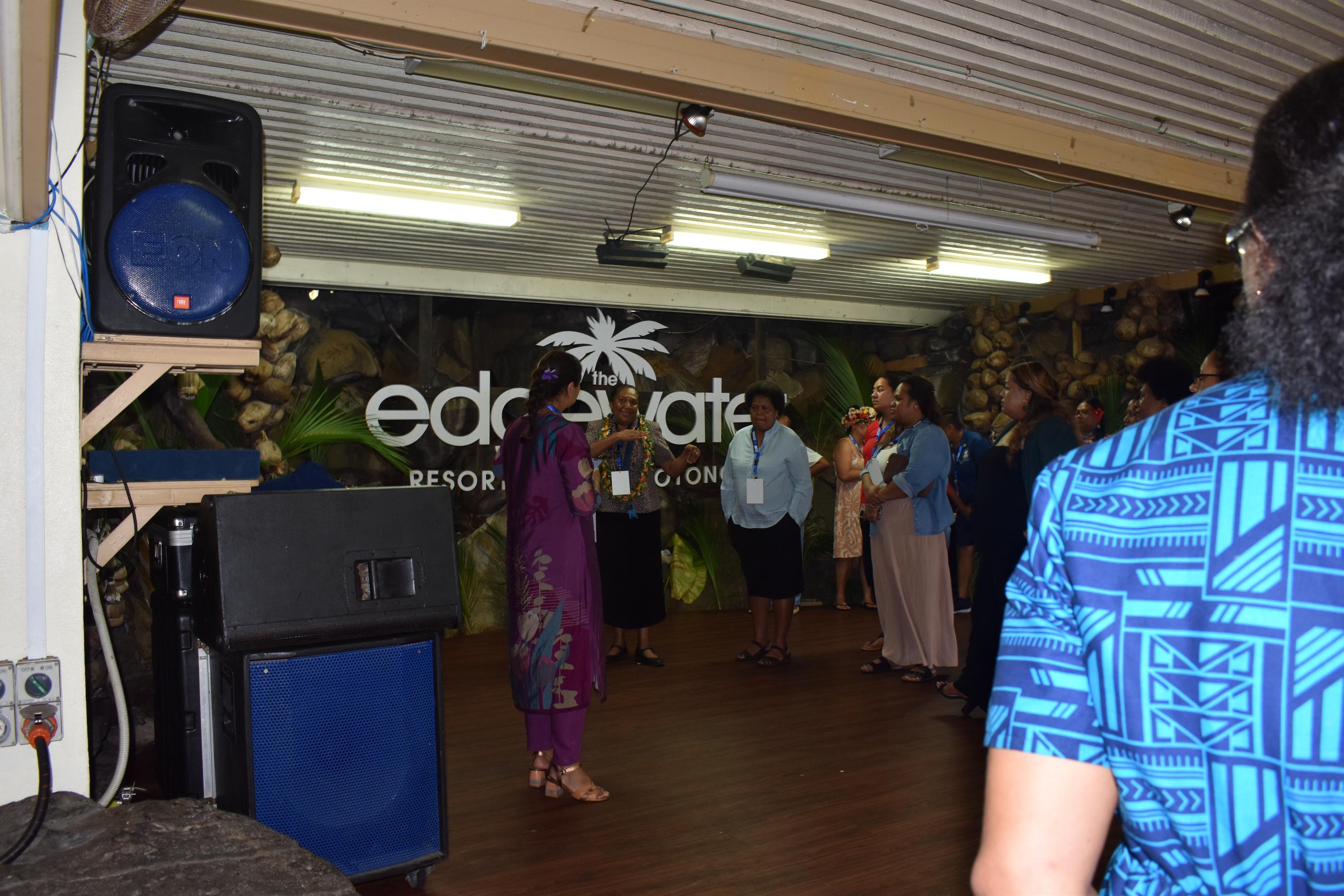
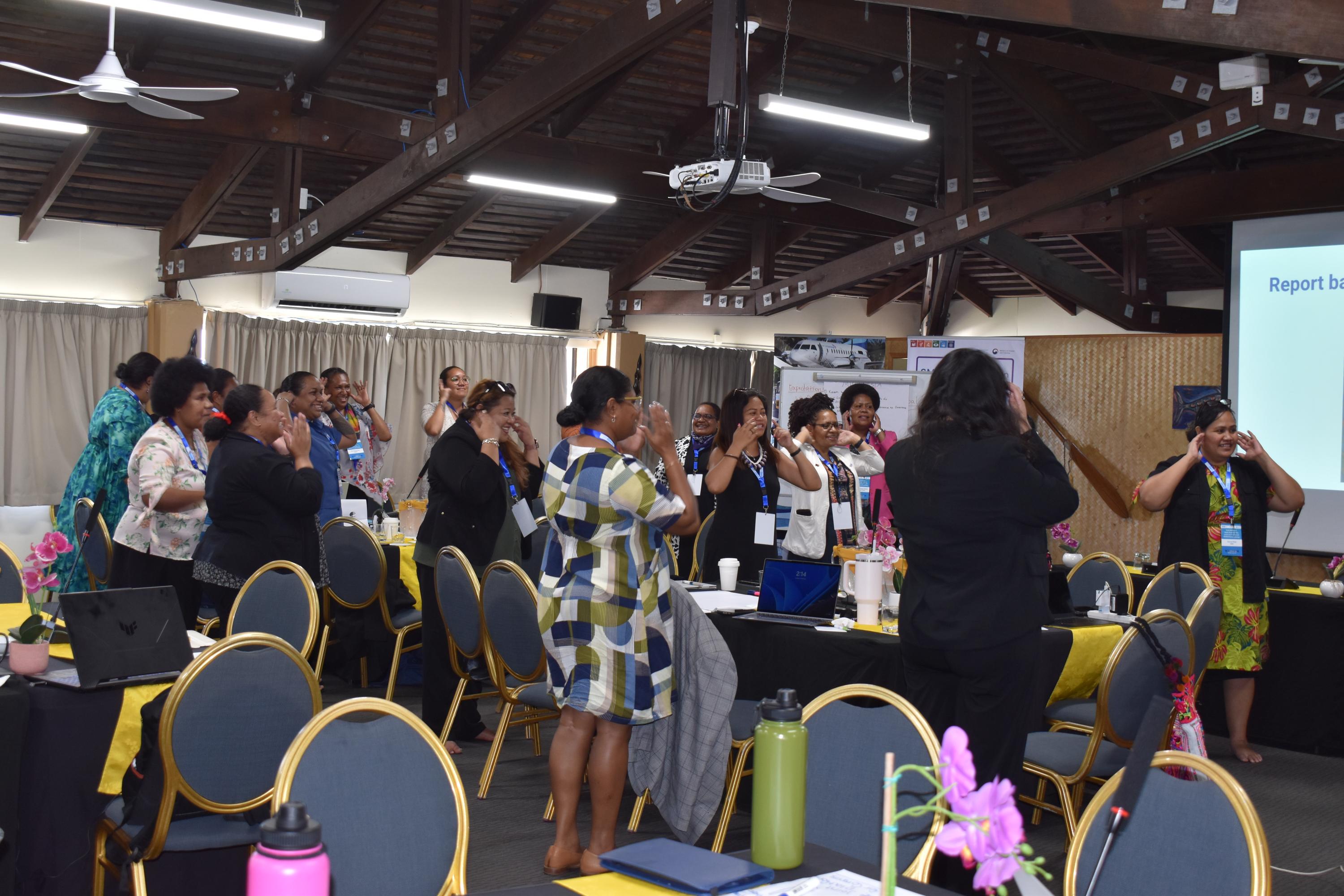
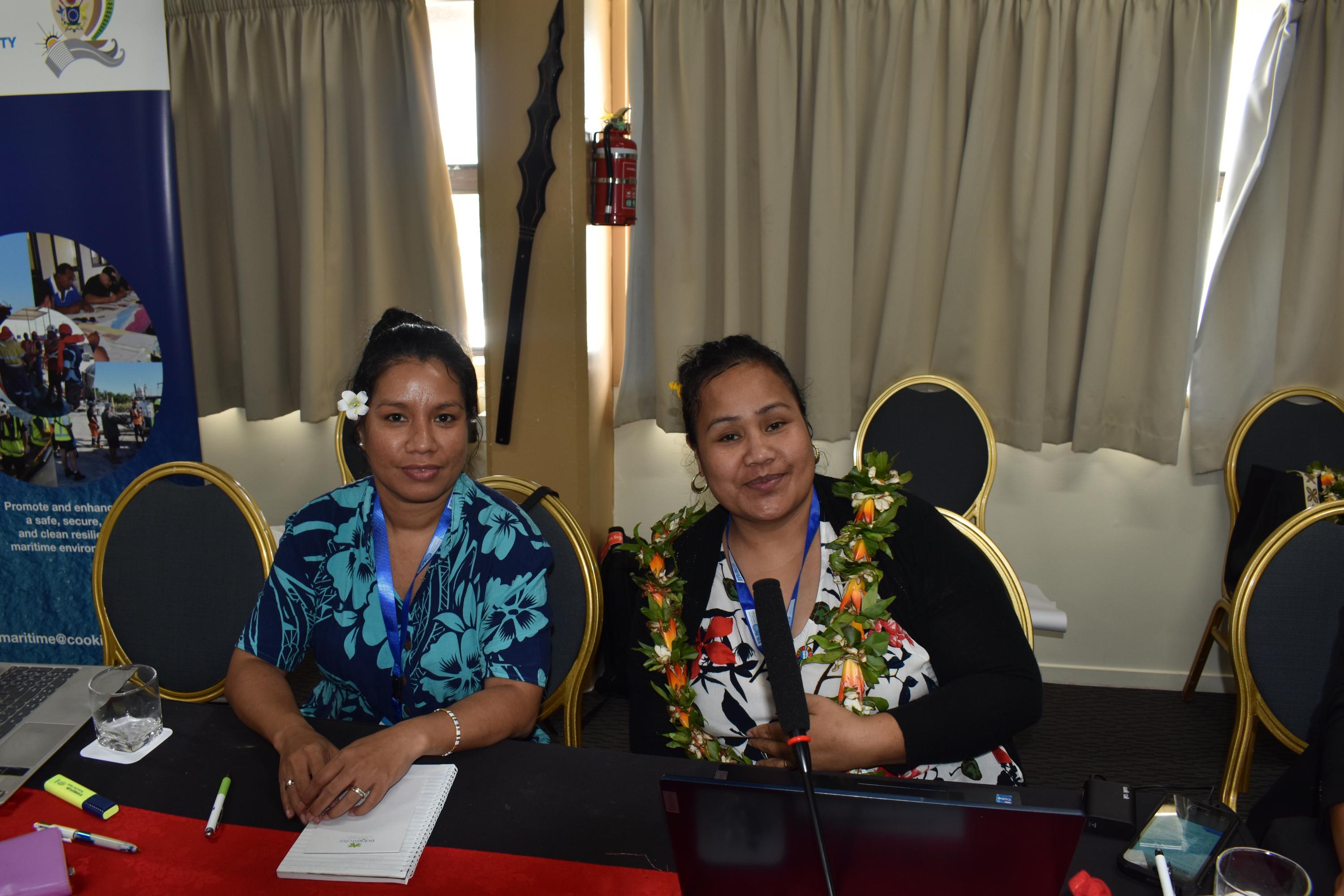
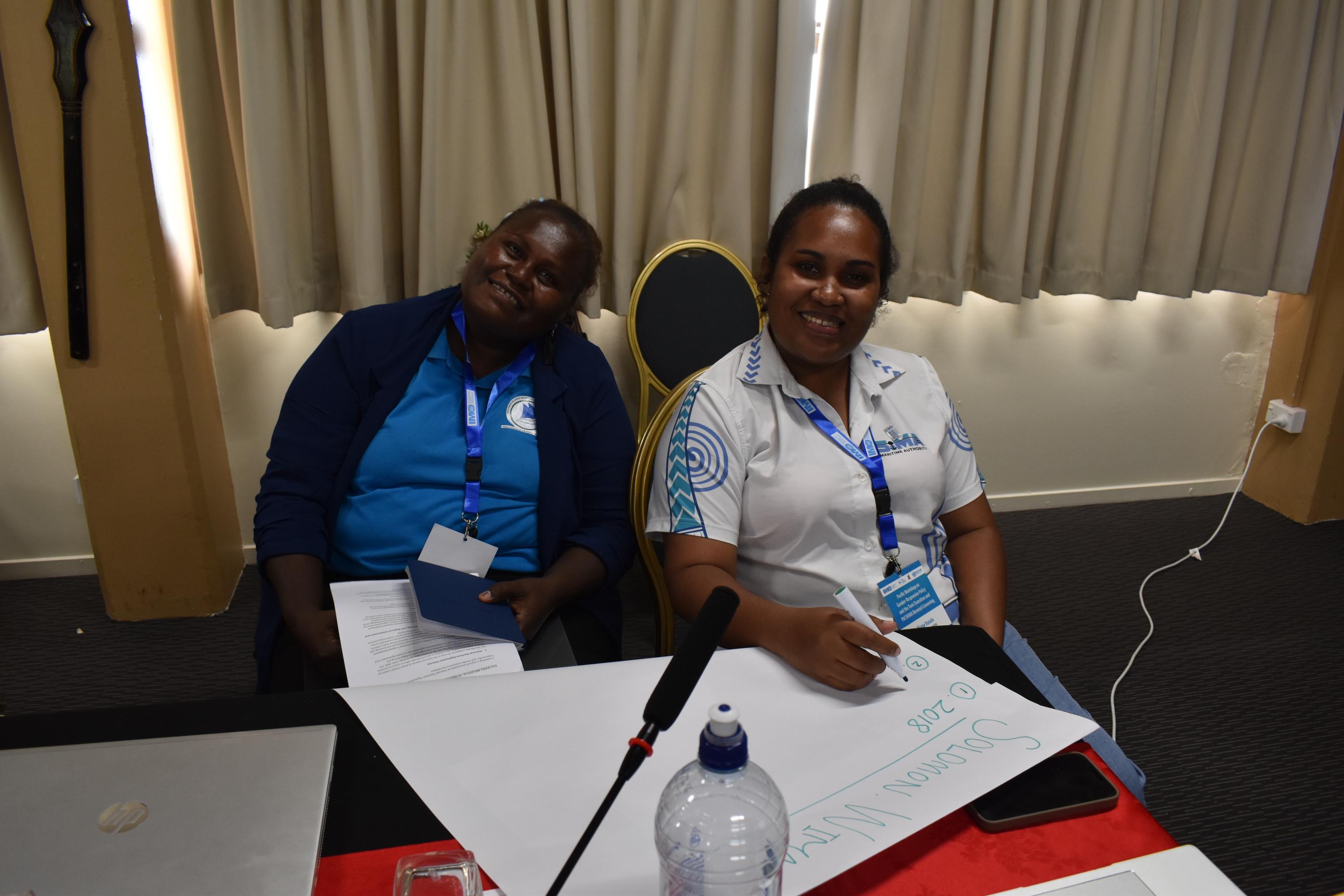
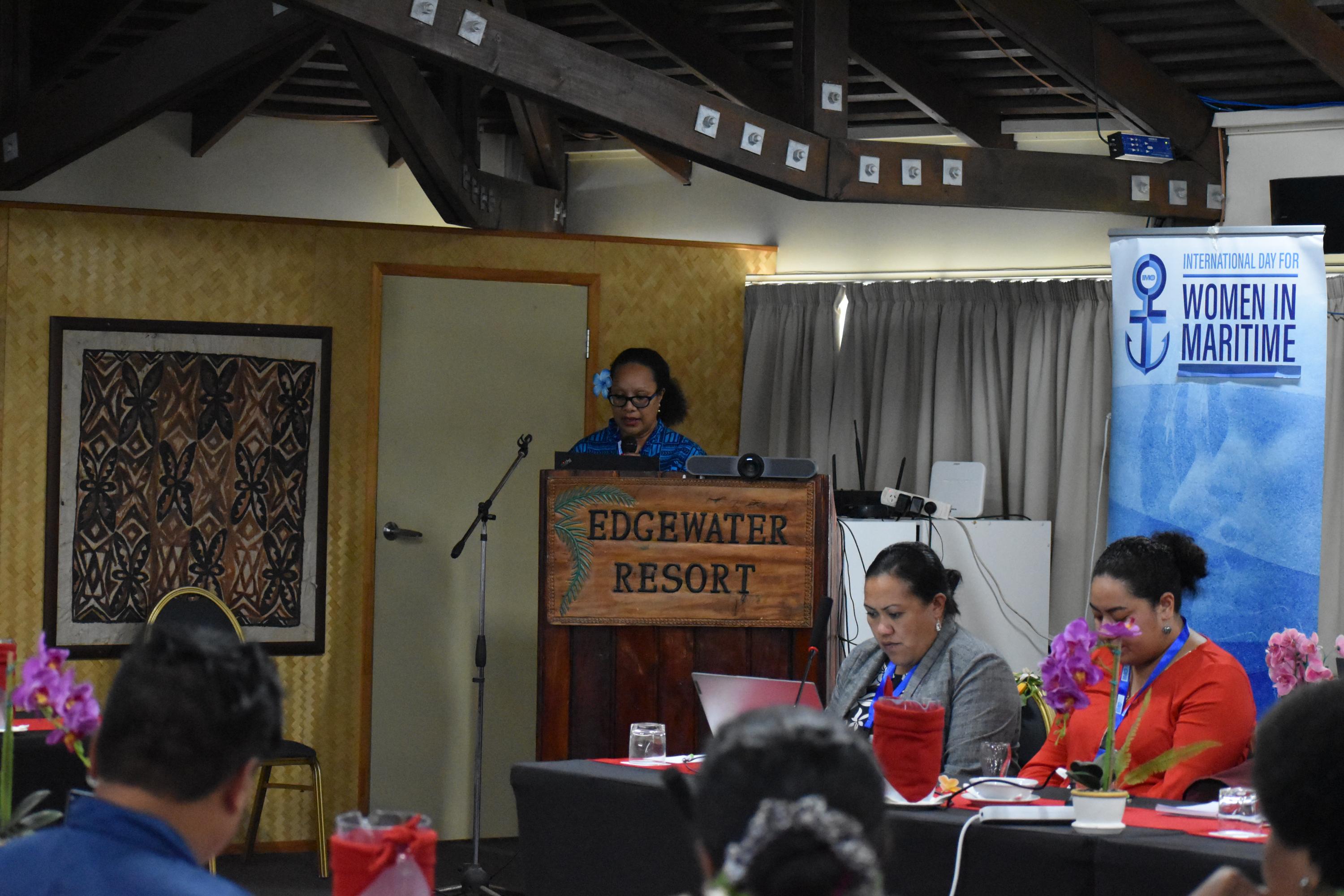
Ms. Anaseini Tukana, Adopt A Ship International Coordinator – Pacific, presented an update on the Adopt A Ship (AAS) Programme in the Pacific during the Regional Workshop and Biennial Convening of the Pacific Women in Maritime Association (PacWIMA) held in Rarotonga, Cook Islands, from 9–12 February 2026.
Her presentation highlighted the impact of maritime education outreach across Pacific island countries, strengthening youth engagement in shipping, ocean stewardship, and maritime careers. The AAS Programme continues to support regional collaboration and capacity-building initiatives aligned with broader maritime development goals, including gender inclusion, sustainability, and digital transition.
IMO Regional Workshop on Gender Responsive Governance and the Twin Transition
The following article was originally published by the International Maritime Organization (IMO) and is shared here for educational and awareness purposes.
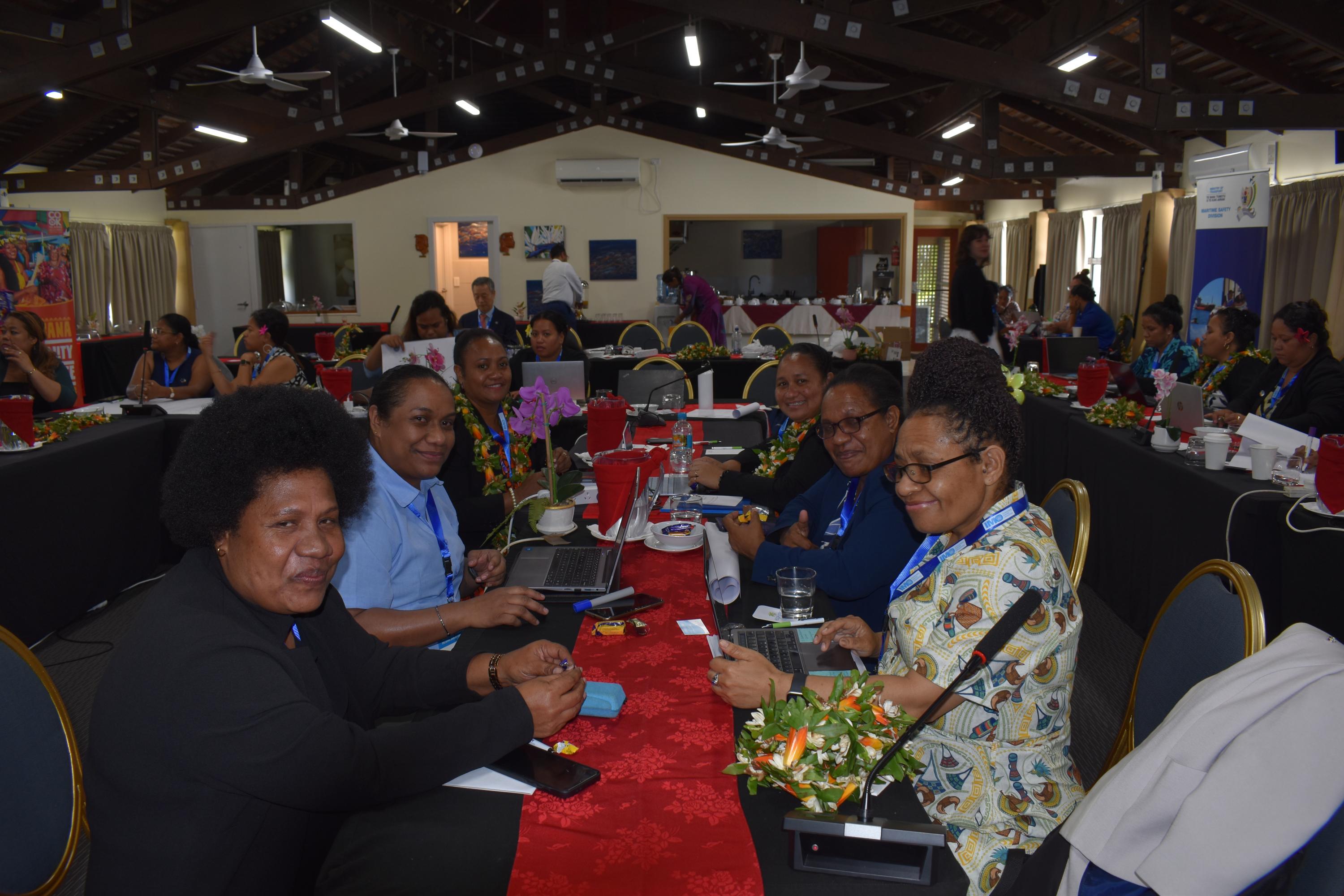
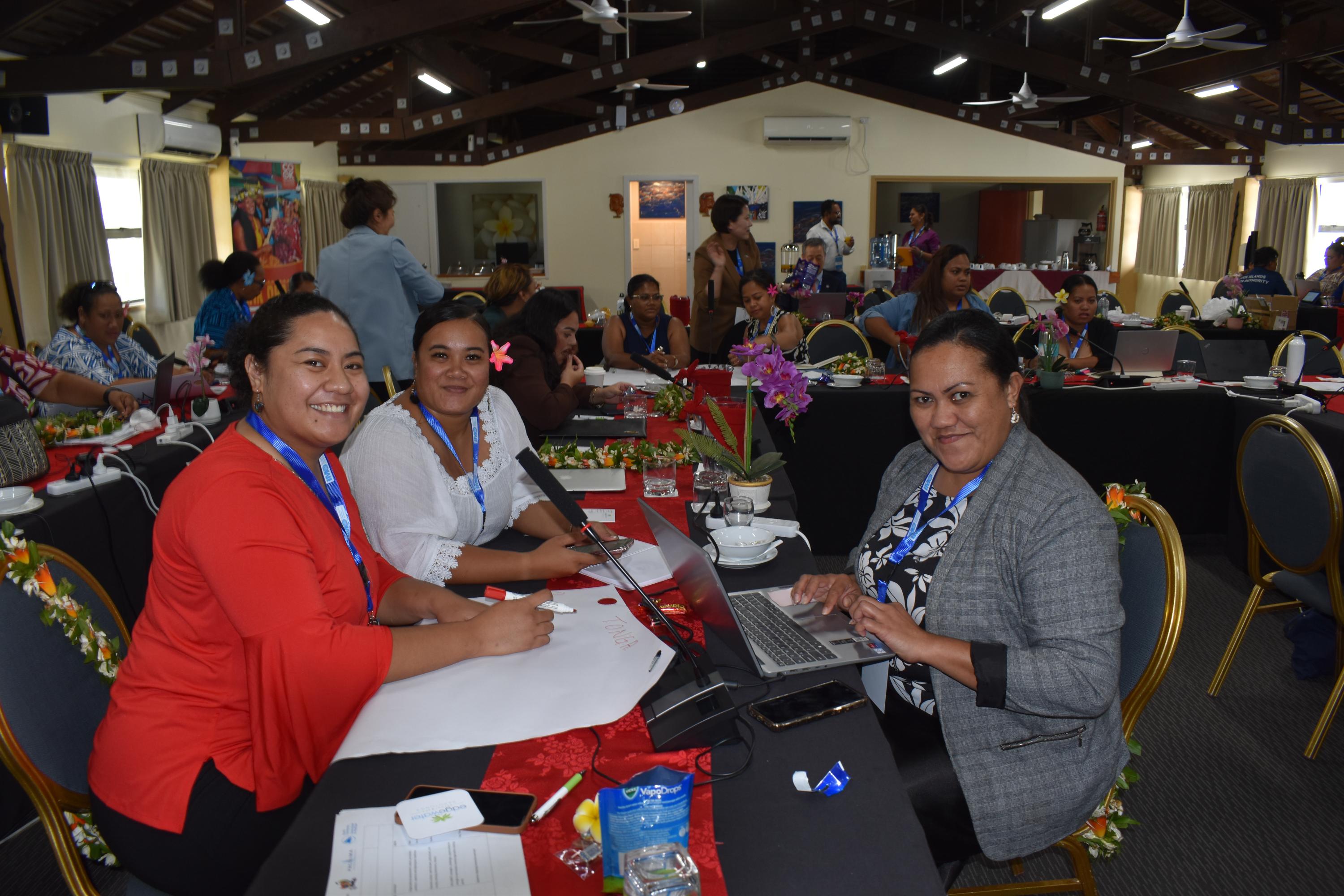
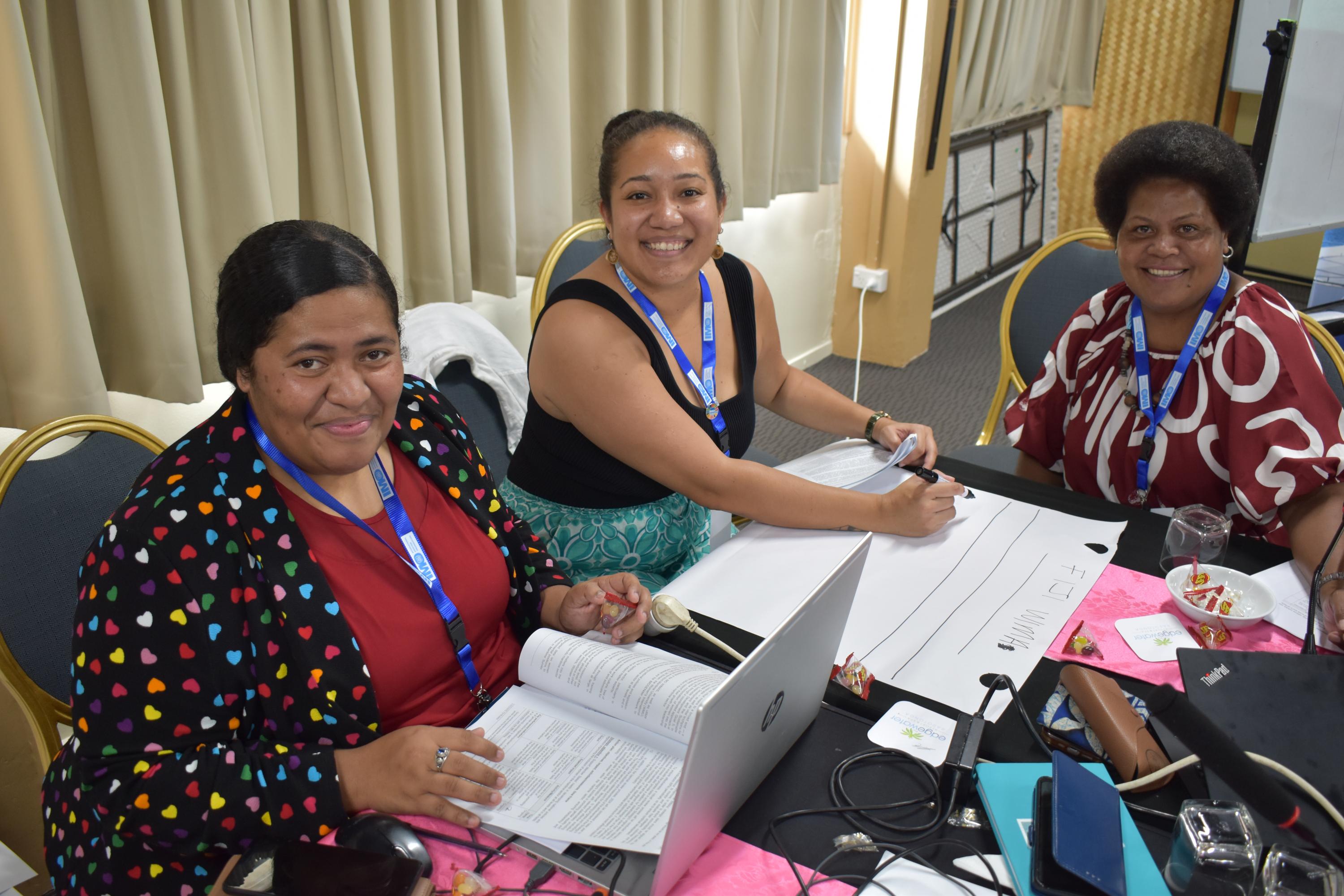
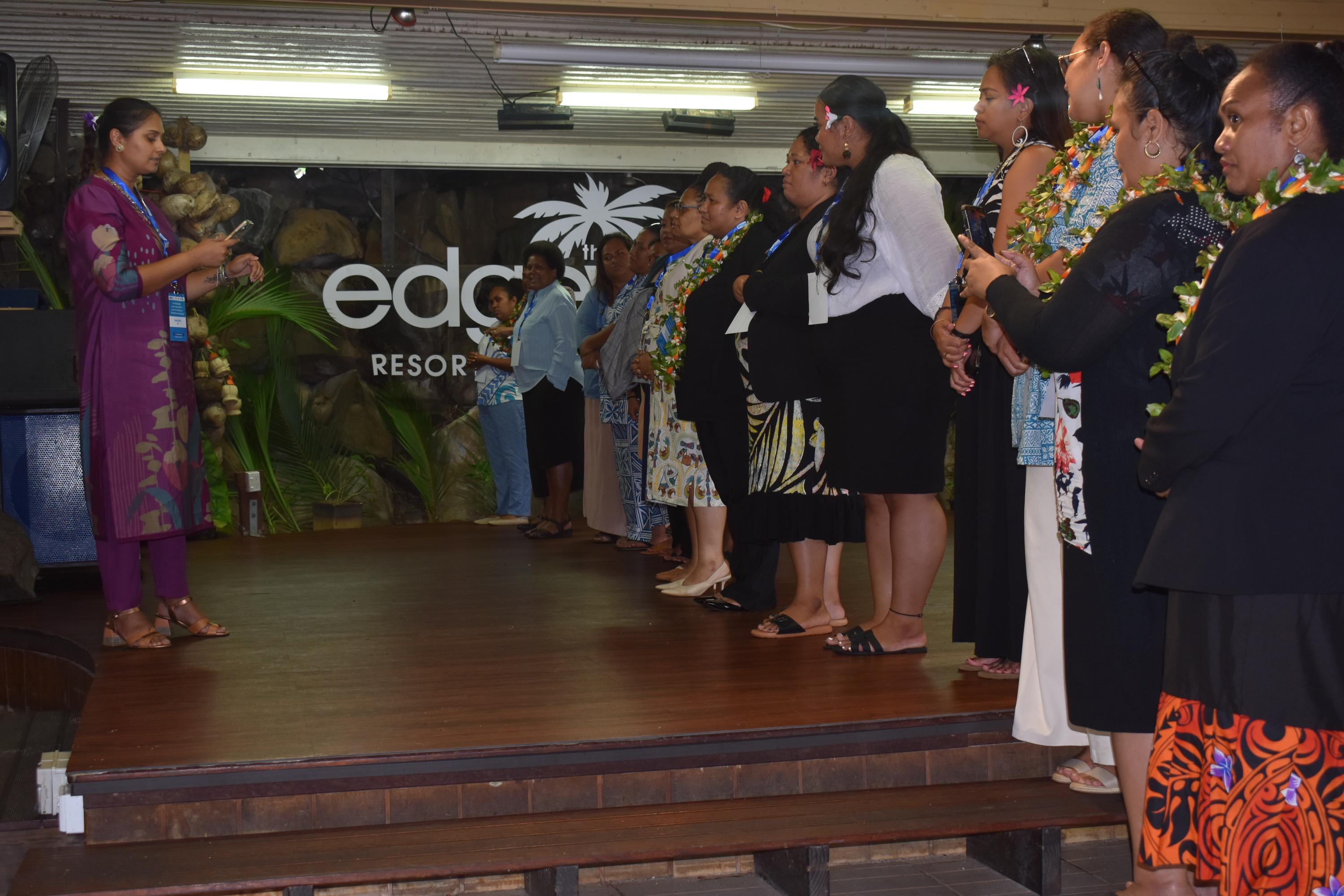
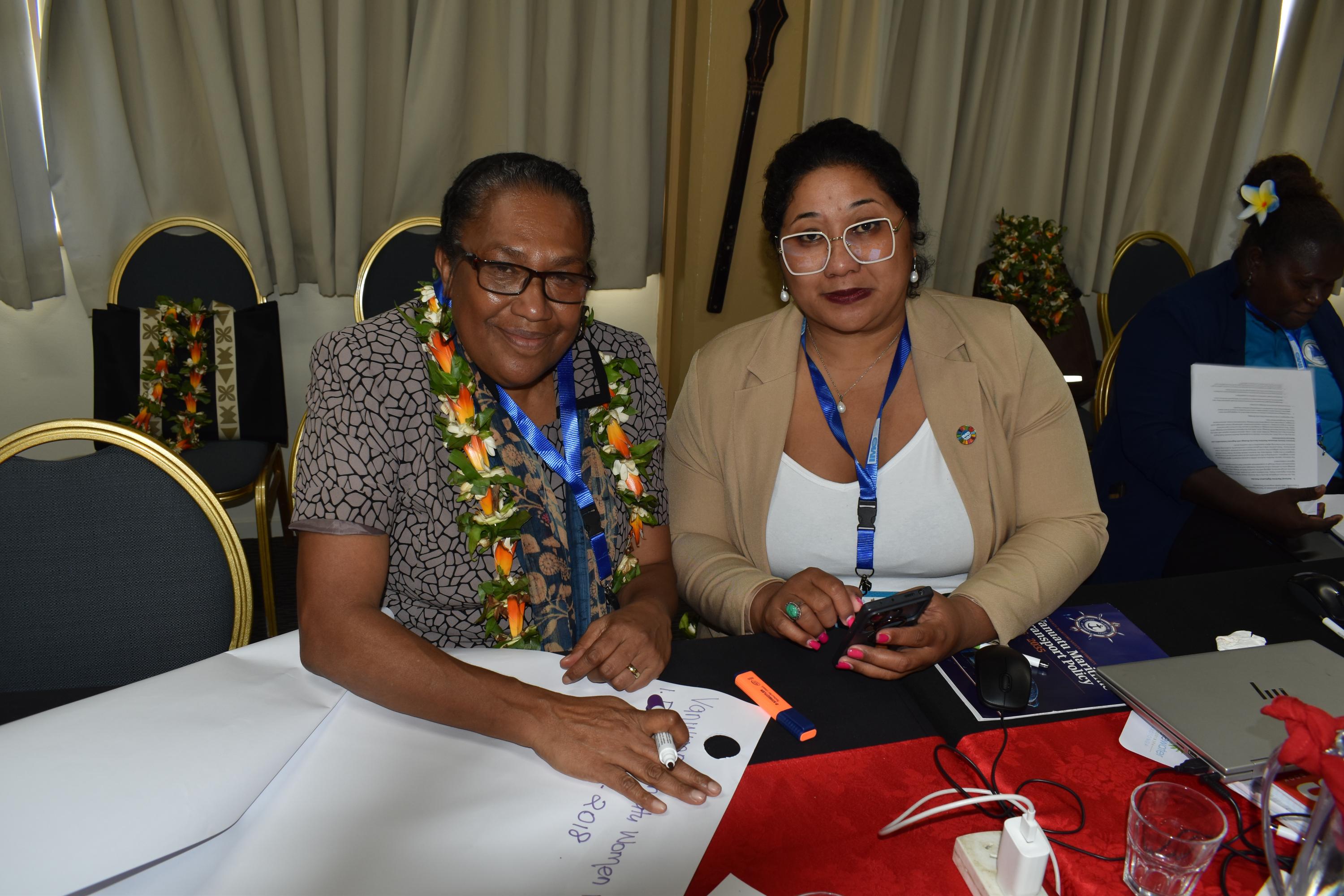
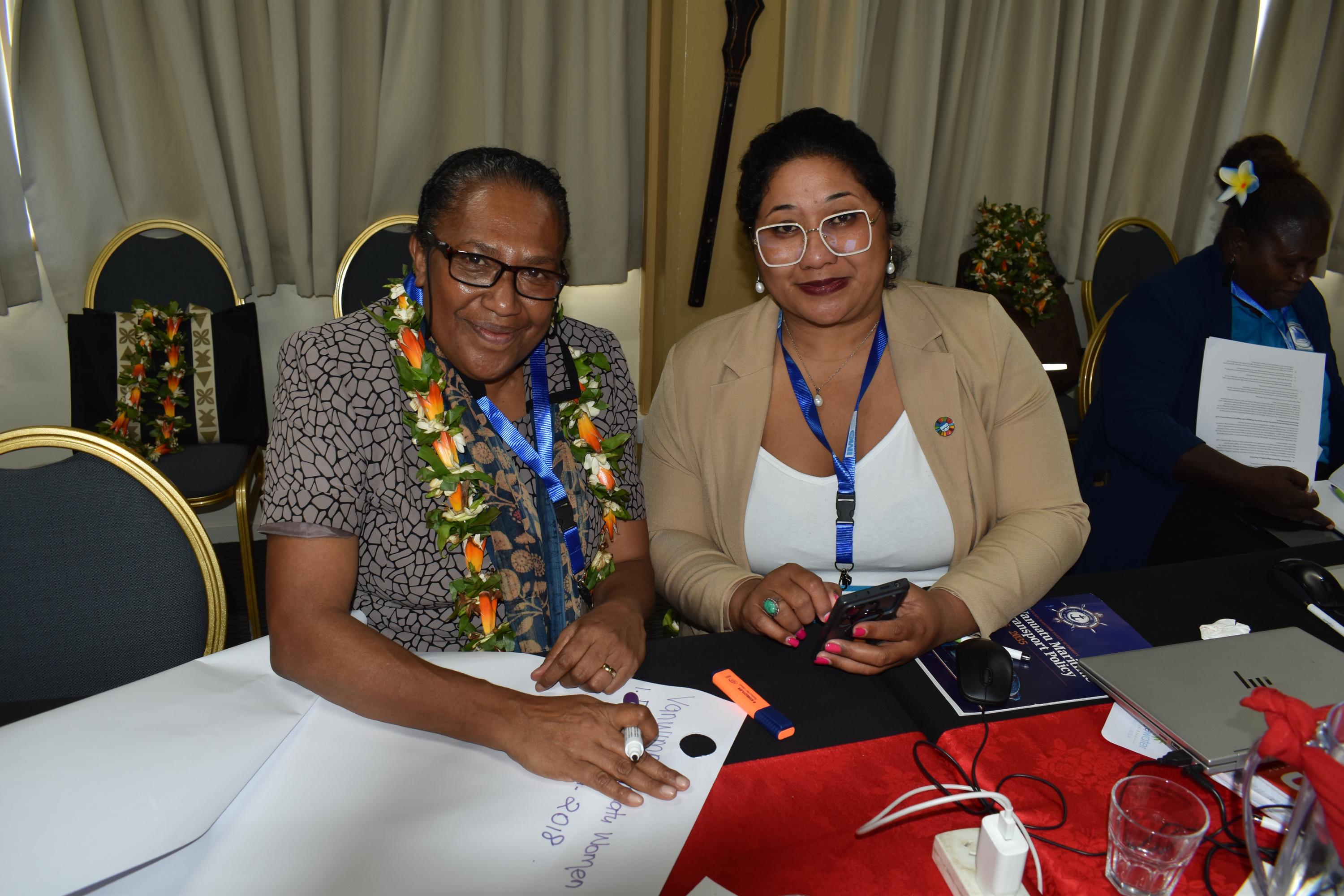
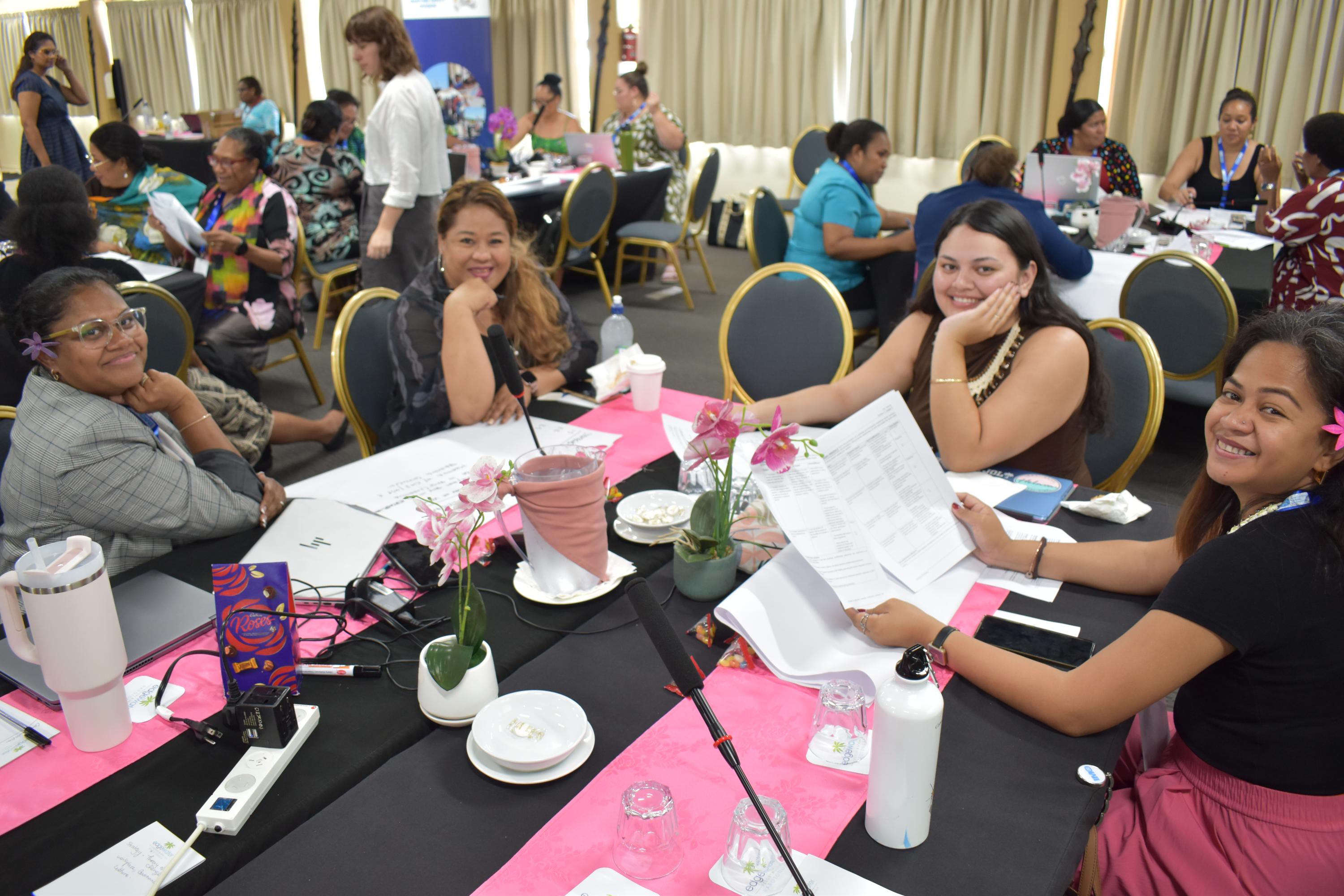
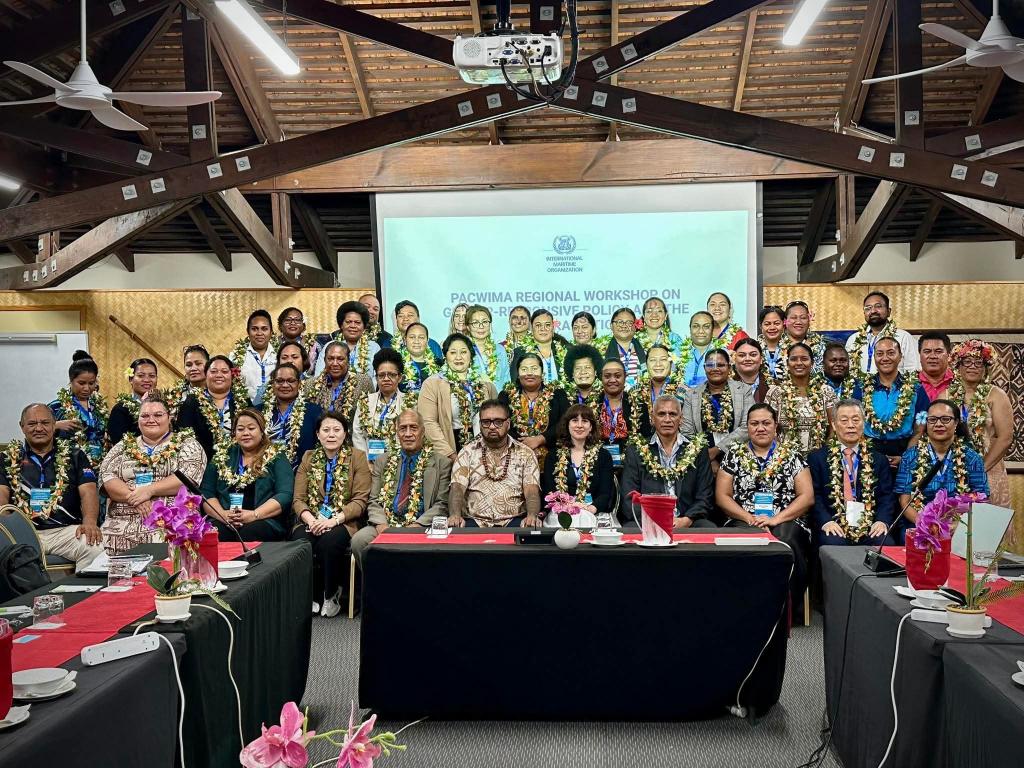
Representatives from 12 Pacific countries convened in Rarotonga, Cook Islands (8–12 February) to bolster regional action to support women’s leadership in the maritime sector, amid emerging trends in decarbonization and digitalization.
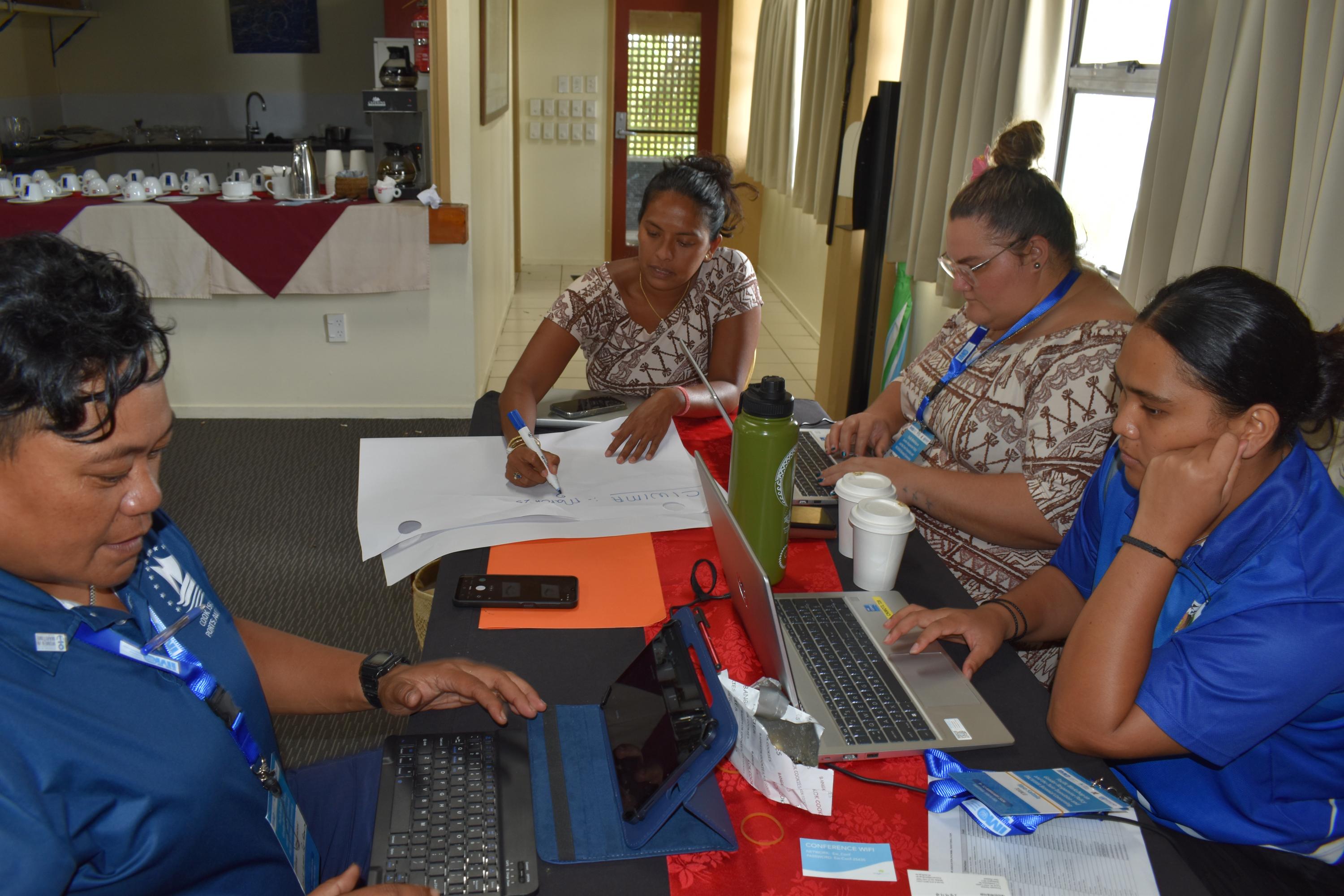
The Regional Workshop on Gender Responsive Governance and the Twin Transition aimed to strengthen the governance, institutional resilience and strategic positioning of the Pacific Women in Maritime Association (PacWIMA) and its national chapters.
PacWIMA is one of eight regional Women in Maritime Associations (WIMAs) established across the globe as professional networks to improve gender balance in the shipping industry. They play a critical role in delivering the objectives of IMO’s Women in Maritime Programme.
Addressing Maritime Gender Gaps
Currently, women remain underrepresented in the Pacific maritime sector, particularly in technical, operational and decision-making roles.
“At the moment, the majority of the region do not have a maritime gender equality policy, so the objective for the Pacific Women in Maritime Association is to have an understanding of how individual countries should be able to tap into the regional policy,” said PacWIMA Chairperson Meliame Tualau.
Advancing gender equality will strengthen sector performance, expand the skills base, and support more resilient, inclusive maritime development.
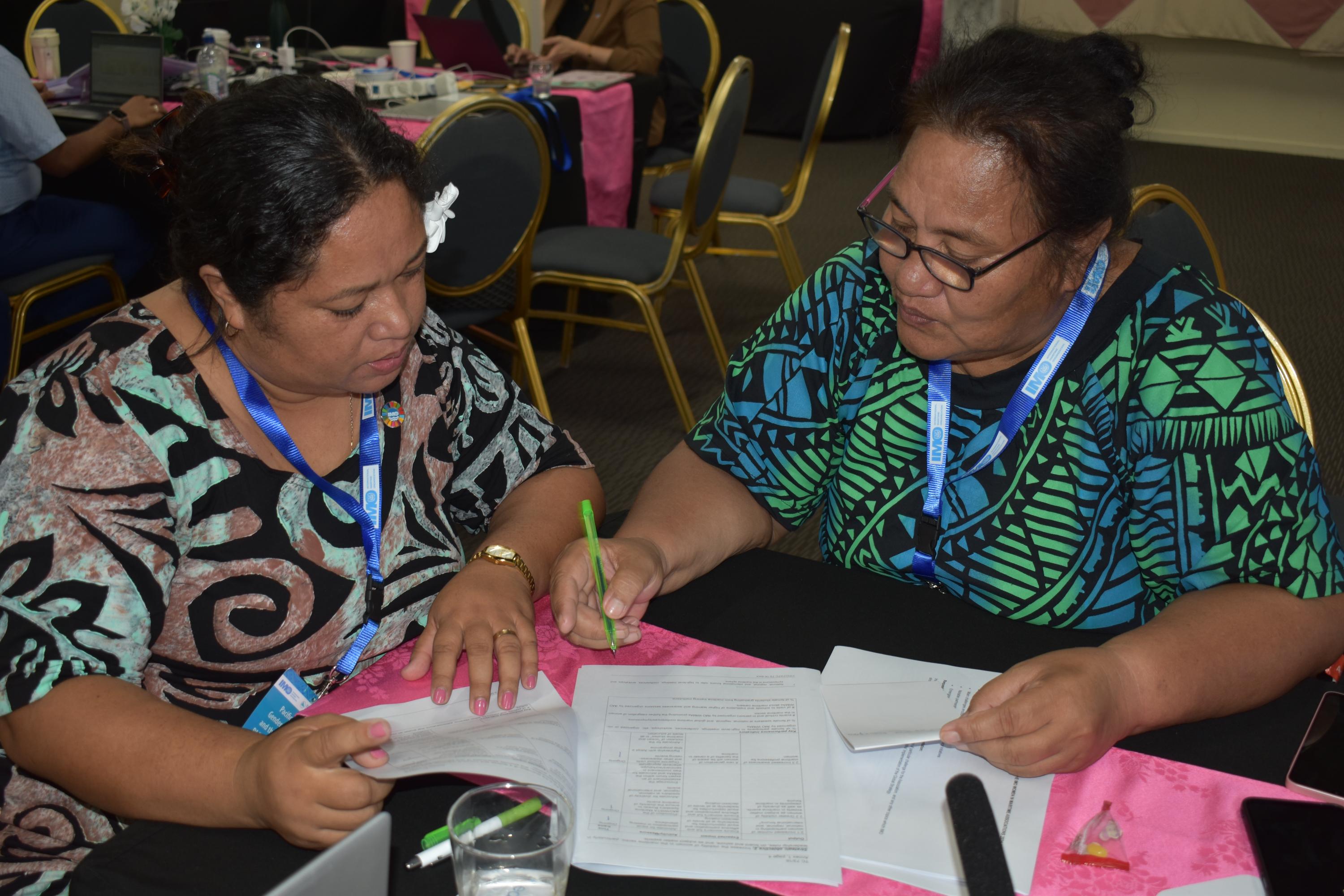
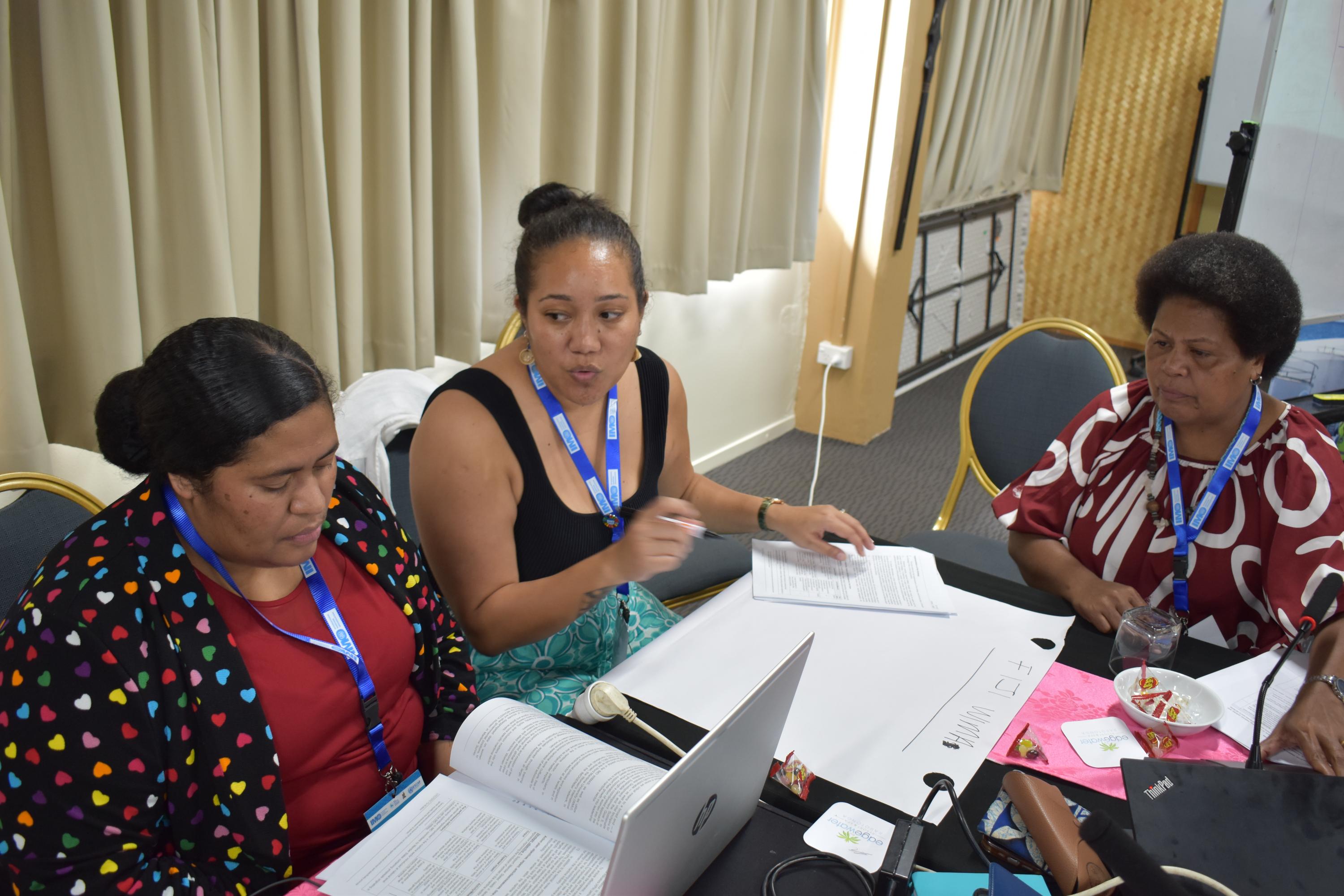
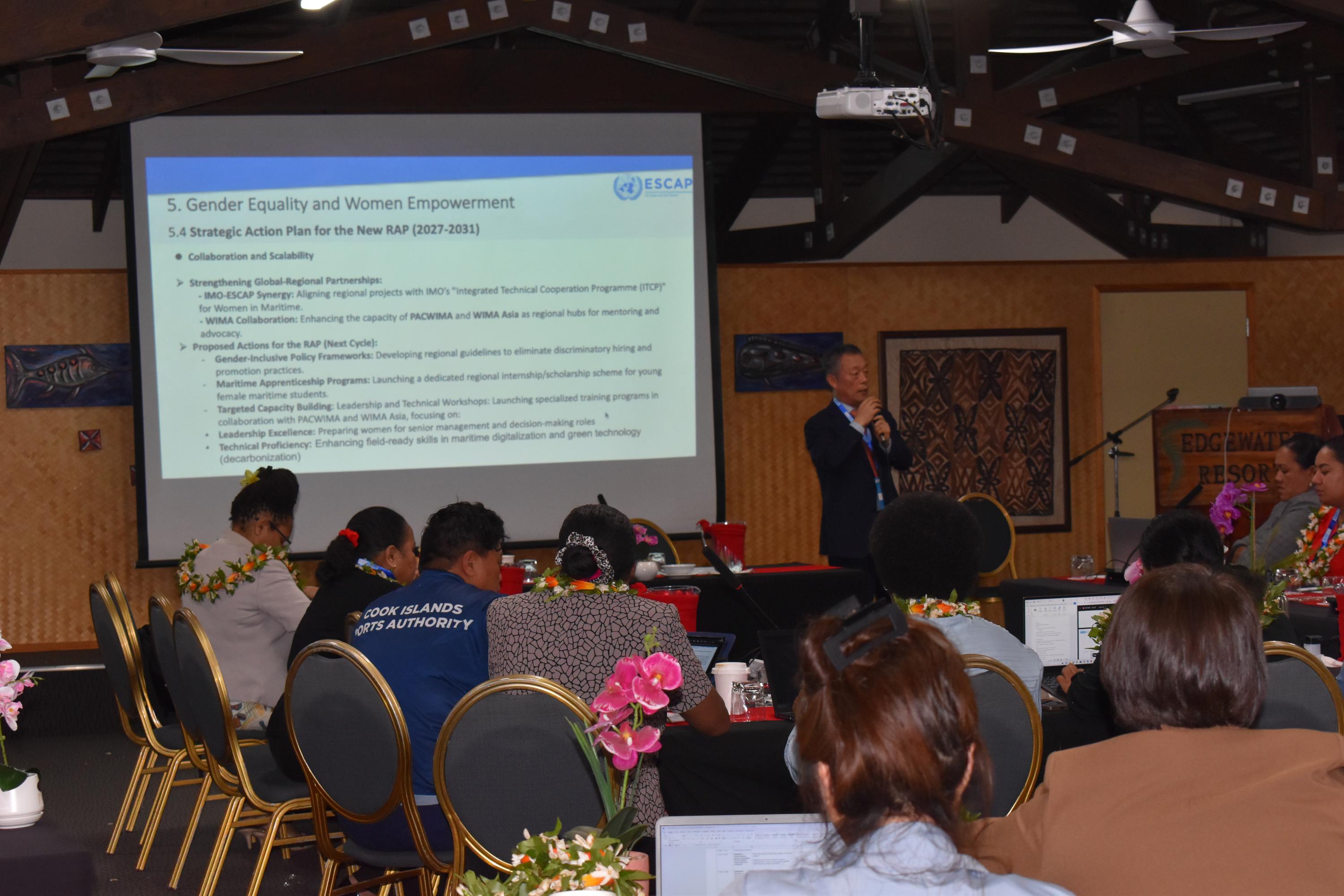
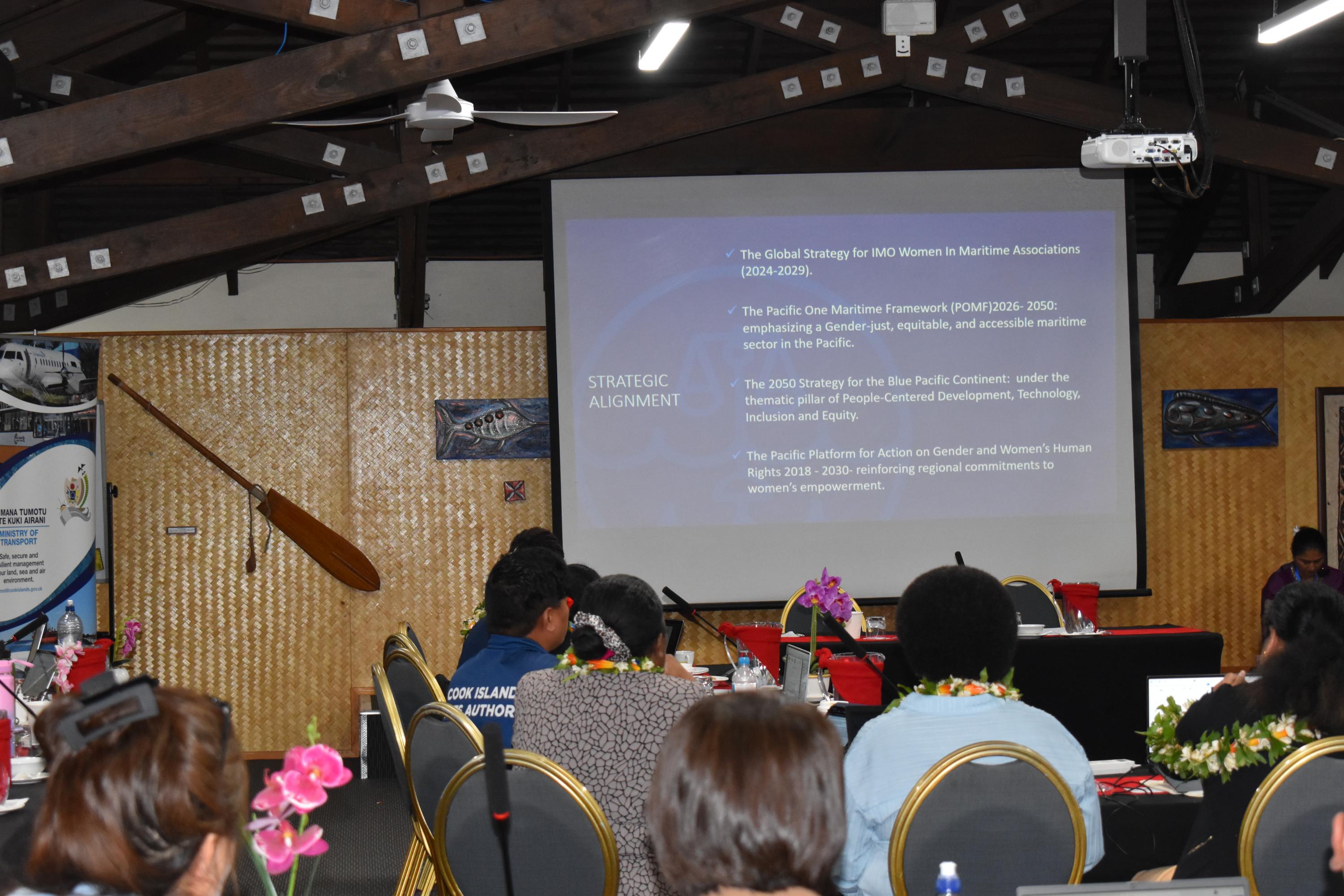
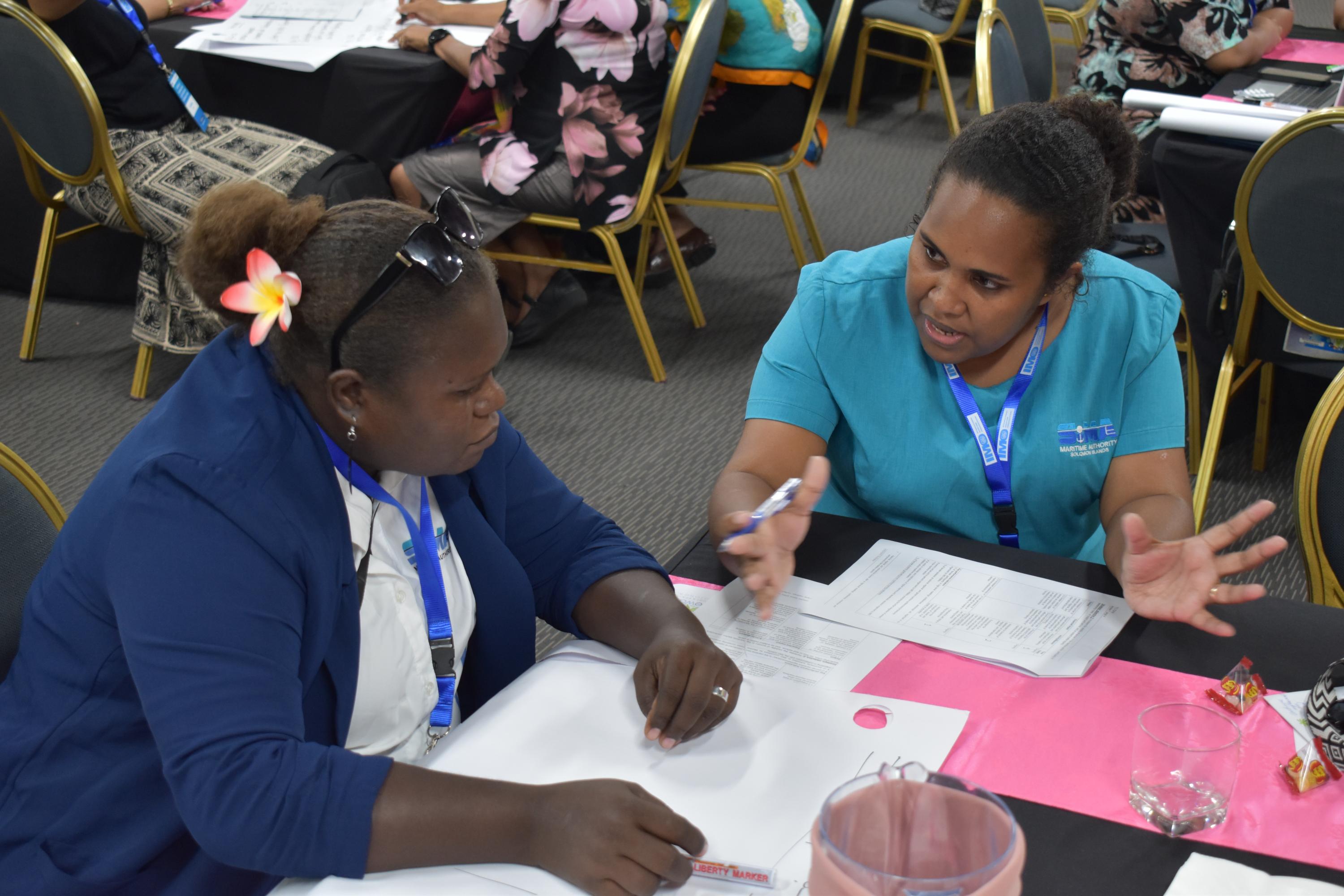
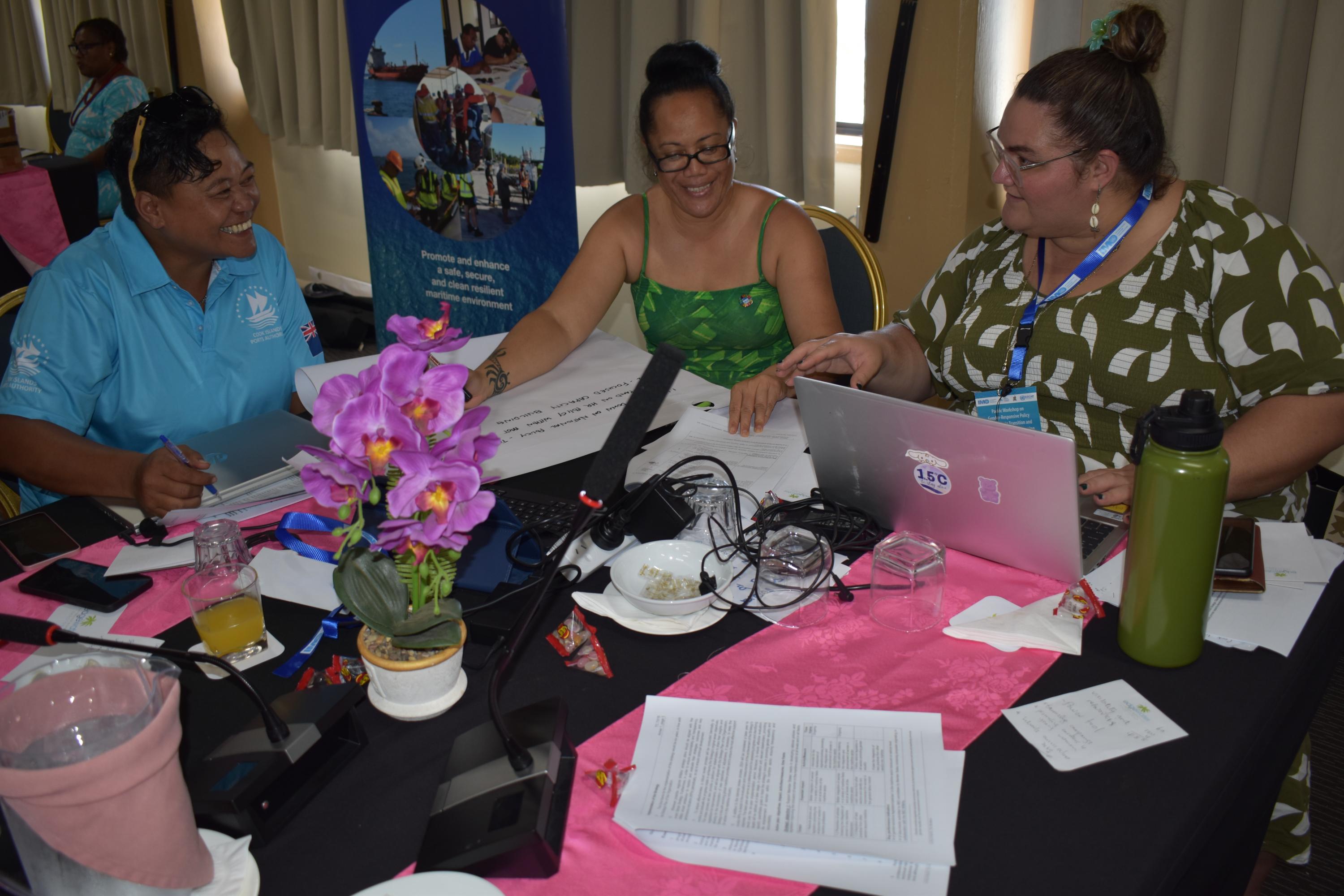
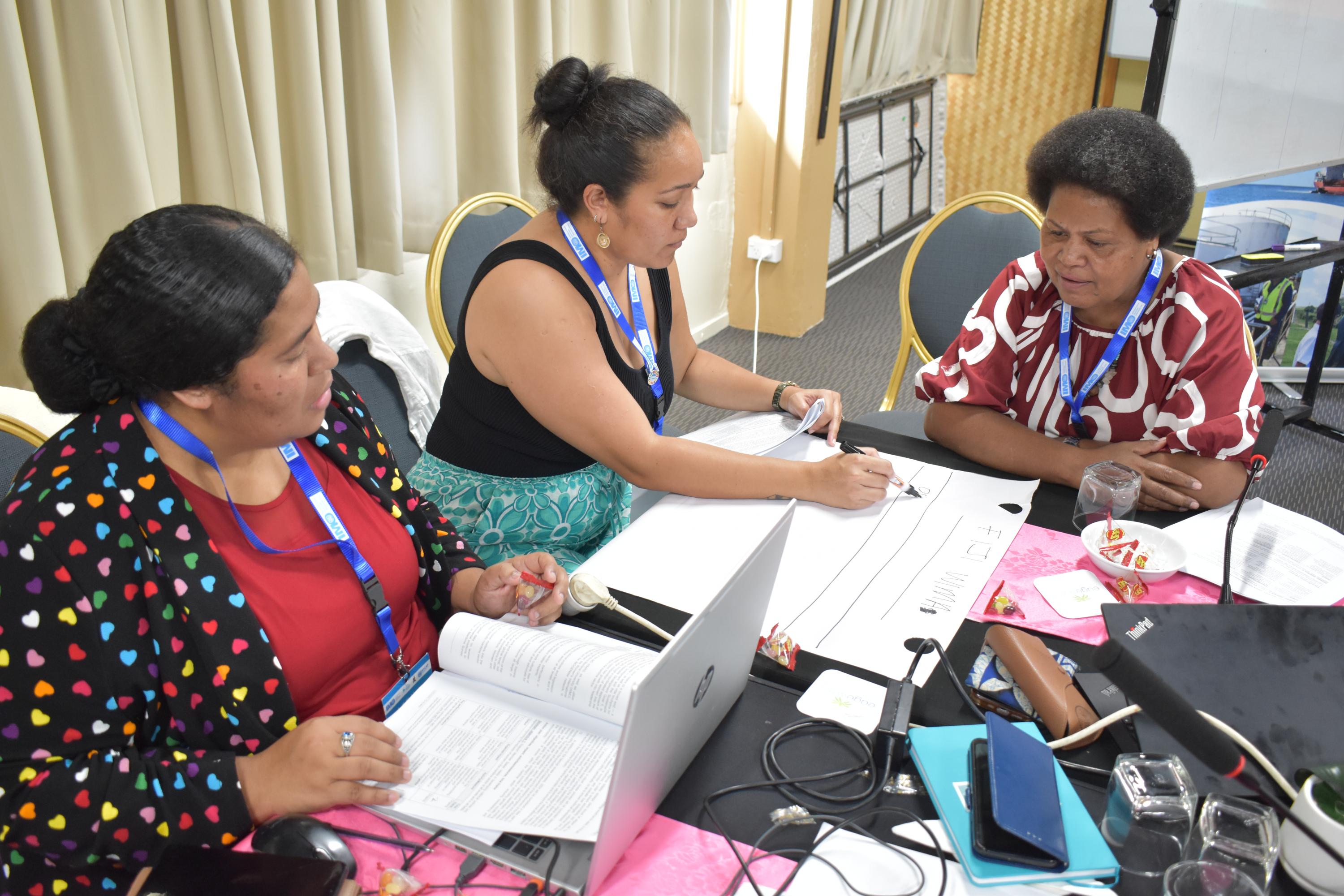
Workshop participants explored governance models, member engagement, advocacy strategies, and ways to align national and regional priorities with global frameworks, including the Global Strategy for the IMO Women in Maritime Associations.
Women Leading the Green and Digital Transitions
Discussions highlighted the role of WIMAs in shaping maritime policy and sector planning, especially as shipping shifts to low-carbon and digital solutions. Participants called for women’s active leadership in driving an inclusive transition in their respective countries.
“The goal of IMO is to ensure that women can participate fully in the maritime sector, that they are confident to take leadership roles, that their perspectives are included in decision-making and that their expertise is valued,” said Mariana Noceti, Principal Programme Assistant and lead for the IMO Women in Maritime programme.
The outcomes of the workshop will contribute to the development of a Pacific Gender Responsive Maritime Governance Guidance and a regional advocacy action plan, both intended to promote more coordinated and effective action across the region.
The workshop was delivered through a partnership between the IMO Women in Maritime Programme and the SMART-C Women Project, a partnership of IMO and the Republic of Korea.
Pacific Regional Strategy Finalized
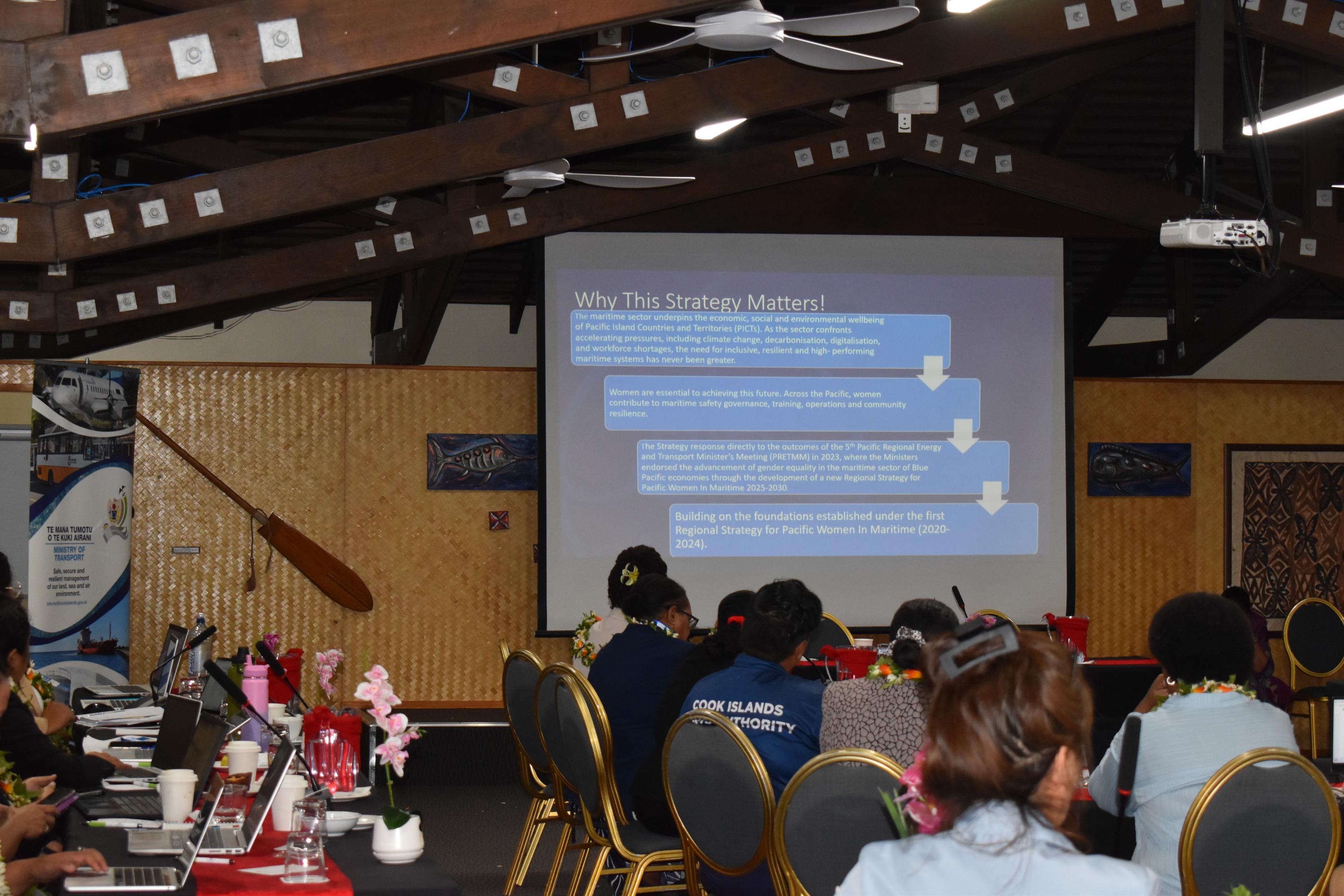
On the final day, PacWIMA held its annual meeting (12 February), where members elected a new Executive Committee and finalized their five-year regional strategy.
The strategy will be presented to the Pacific Heads of Transport Meeting in May 2026, for endorsement.
This activity was jointly financed through contributions from the Governments of Australia and China to the IMO Women in Maritime Programme, with additional financial support from the SMART-C Women Project, and implementation support from the Pacific Community (SPC) and the United Nations Economic and Social Commission for Asia and the Pacific (ESCAP).
Source: International Maritime Organization (IMO), February 2026.
Original publication available at: www.imo.org